Jesus Patch: A Craft Fair Embroidery Review
As an experienced embroidery designer preparing for a weekend craft fair, my selection process is rigorous. I am not just looking for a pretty image; I am hunting for a reliable workhorse design that translates into sales. When evaluating the Jesus Patch machine embroidery design, my primary focus is on production efficiency and visual impact at a booth. The description promises that this design is very easy to embroider and stitches perfectly to any kind of fabric, which immediately flags it as a high-potential candidate for batch production. For Etsy sellers and boutique makers, a design that minimizes thread breaks and registration issues while maximizing versatility is worth its weight in gold.
First Impressions and Booth Appeal
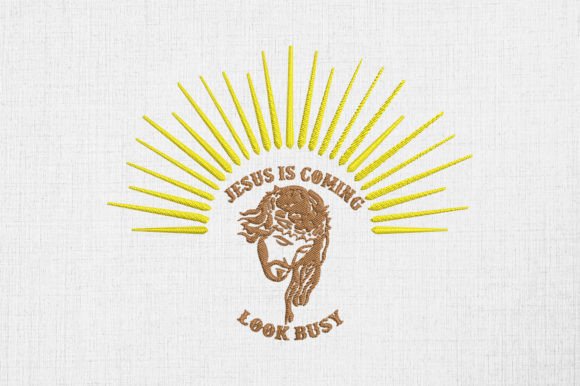
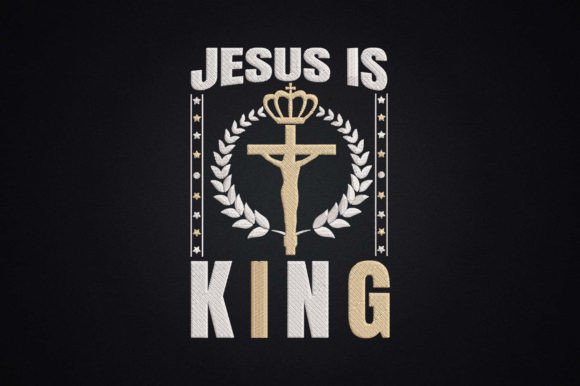
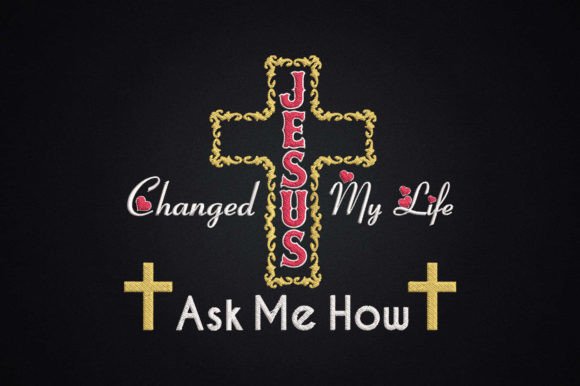
Upon reviewing the digital assets, the Jesus Patch strikes a balance between modern simplicity and traditional faith aesthetics. In the Religion Faith category, there is often a divide between ornate, vintage styles and clean, contemporary lines. This design leans toward a versatile, approachable aesthetic that feels welcoming rather than austere. For a handmade product display, this is crucial. Customers browsing a crowded market table need to understand the sentiment instantly. The boldness of the lettering and the clarity of the iconography suggest that this will read well from three feet away, which is the standard viewing distance at a busy vendor booth.
The "fun project" aspect mentioned in the product details suggests a stitch-out that is satisfying rather than tedious. As a creative entrepreneur, I appreciate designs that do not feel like a chore to produce. If the digitizing is clean, the Jesus Patch should offer that smooth rhythm of uninterrupted stitching that allows me to prep multiple hoops while one machine runs. This efficiency is what makes a small shop product profitable rather than just a labor of love.
Versatility Across Product Categories
The claim that this embroidery file stitches perfectly to any kind of fabric is a significant selling point, but practical application requires specific pairing strategies. Here is how I envision utilizing this design across various inventory items:
- Tote Bag Design: Canvas totes are a craft fair staple. The Jesus Patch would serve as an excellent center chest or lower corner accent. Because tote bags are often unstructured, a design that is "easy to embroider" typically implies stable digitizing that won't cause the canvas to pucker excessively.
- Apron Embroidery: For kitchenware, this design adds a touch of grace to daily chores. Aprons endure high heat and frequent washing, so the stitch integrity is paramount. A design optimized for varied fabrics should handle the twill or cotton duck commonly used in aprons without sinking into the weave.
- Tea Towel Embroidery: Flour sack towels are textured and absorbent. The Jesus Patch needs enough density to sit on top of the terry or linen texture without disappearing. If the design is too sparse, it gets lost; if it is too dense, it creates a bulletproof patch that ruins the towel's drape. The promised ease of stitching suggests a balanced density ideal for this application.
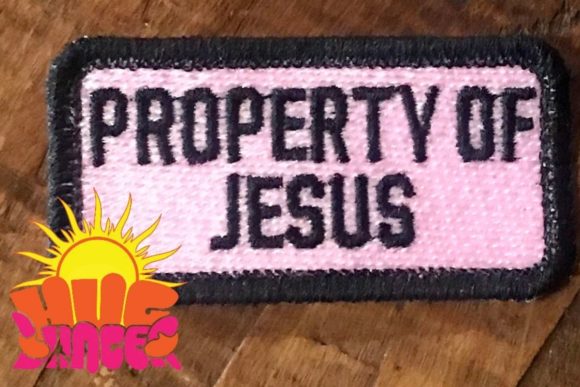
- Embroidered Patches: Given the name, creating actual iron-on or sew-on patches is a natural fit. These are high-margin add-ons at markets. Using a water-soluble stabilizer and heavy-weight backing, this design could be produced in bulk as standalone religious gifts.
- Caps and Hats: Curved surfaces are the ultimate test. While the description claims universal fabric compatibility, cap embroidery requires specific structural integrity. I would test this specifically on a structured cap to ensure the column stitches don't distort around the curve.
Production Realities and Selling Points
For commercial embroidery and digital sellers, time is money. The Jesus Patch appears designed with production speed in mind. When listing finished products on Etsy or setting up a Shopify store, photography is key. Designs with clear outlines and distinct color blocks photograph better than those with subtle shading or tiny details. This legibility ensures that your printable mockup accurately represents the final stitched good, reducing customer returns due to unmet expectations.
From a brand consistency perspective, having a go-to faith-based design that works on light and dark fabrics simplifies inventory management. You can use the same embroidery file for white tea towels and navy tote bags, merely changing thread colors. This repeatability allows for cohesive booth displays where the Jesus Patch acts as a unifying theme across disparate product types. Buyers engage more deeply when they see a professional collection rather than random, disconnected items.
Critical Technical Considerations
Despite the user-friendly description, professional due diligence is non-negotiable. Even the best digital embroidery file has limitations based on physics and machinery. Before committing to a full production run for the weekend market, consider these technical factors:
- Stitch Density Verification: "Stitches perfectly to any fabric" is a broad claim. Always verify the stitch density. If you are stitching on plush fleece, you may need to add a topping. If stitching on sheer organza, you may need to reduce density. Do not assume one setting fits all scenarios.
- Small Lettering Clarity: If the Jesus Patch includes scripture or smaller text elements, test the minimum viable size. Text that looks crisp at 5 inches may turn into a thread nest at 2 inches. Establish your minimum hoop size parameters before listing small accessories like pouches.
- Thread Contrast Testing: Faith-based designs often rely on symbolism. Ensure your thread colors provide sufficient contrast against your chosen base fabrics. Gold thread on cream fabric might look elegant in person but invisible in photos. Test high-contrast combinations for online listings and softer tones for in-person luxury appeal.
- Stabilizer Selection: The right stabilizer is the foundation of a quality handmade product. For stretchy knits, use cut-away. For woven cottons, tear-away may suffice. Document which stabilizer yields the best result for each product type so your production remains consistent.
- Licensing Confirmation: Always confirm commercial licensing terms included with the design assets. Just because you bought the file does not automatically grant unlimited commercial rights for finished products. Protect your business by verifying you are cleared to sell items featuring the Jesus Patch.
Maximizing Value for Creative Entrepreneurs
Ultimately, the Jesus Patch represents a strategic asset for the embroidery business owner. Its strength lies in its adaptability. In the competitive landscape of handmade markets, products that tell a story sell faster than generic goods. By applying this design thoughtfully—pairing it with high-quality blanks, ensuring perfect registration, and presenting it with professional branding—you elevate a simple stitch-out into a meaningful keepsake.
Remember to create at least one real physical mockup before relying solely on software renderings. Touch the embroidery. Wash the sample. Wear the apron. Your customers will notice the difference between a rushed job and a crafted masterpiece. When the Jesus Patch is executed with professional care, it becomes more than just a design; it becomes a testament to the quality of your entire shop. Whether you are stocking an Etsy store or filling a festival tent, let the ease of this design free up your creative energy to focus on what matters most: connecting with your community through beautiful, faithful craftsmanship.