Christian Cross Made of Hearts: Business Merch Review
As a professional embroidery designer specializing in commercial branding and small business merchandise, I approach every new digitization with a critical eye toward production viability. When evaluating the Christian Cross Made of Hearts machine embroidery design, my primary focus shifts from purely decorative aesthetics to functional application for branded goods. For shop owners, Etsy sellers, and apparel decorators operating within the Religion Faith niche, this design presents unique opportunities and specific technical considerations. This review analyzes how this digital embroidery file performs when translated into tangible assets like embroidered patches, staff uniforms, and boutique merchandise.
Visual Personality and Brand Identity Alignment
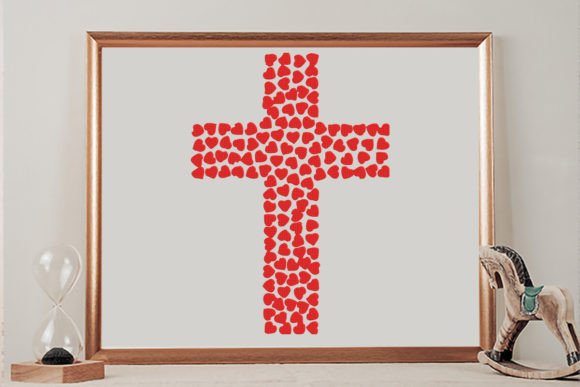
The first impression of the Christian Cross Made of Hearts is one of warmth and approachability. Unlike stark, traditional religious iconography that can sometimes feel austere on commercial goods, the heart motif softens the visual impact. For a small business, this translates to a brand identity that feels welcoming, community-focused, and gentle. In my experience designing for florists, bakeries, or faith-based creative studios, this aesthetic bridges the gap between professional uniform requirements and the handmade product charm that customers expect.
However, "lovely" and "charming," as described in the product details, must be balanced with legibility at scale. The interlocking hearts create a textured fill rather than a solid block of color. This is excellent for conveying a premium, detailed look on tote bags or pillows, but it requires careful management when applied to corporate branding. If your business aims for a modern, minimalist vibe, this design offers a rustic alternative that suggests heritage and care. Conversely, if your brand relies on bold, high-contrast visibility from a distance, the intricate nature of the hearts may require adjustment to maintain recognition as a logo accent.
Commercial Applications for Small Business Merch
When integrating this embroidery file into a production lineup, versatility is key. Based on the design’s structure, here is where I see the highest ROI for business owners:
- Boutique Apparel and Aprons: For cafes or gift shops, placing this design on the left chest of an apron or polo creates an immediate emotional connection with patrons. It signals values without being overtly aggressive.
- Tote Bag Design: Canvas totes are a staple for event merch and retail add-ons. The design’s likely stitch density works beautifully on heavy canvas, providing a tactile element that elevates the perceived value of the bag beyond a simple giveaway.
- Customer Gifts and Packaging: Stitching this onto linen napkins, tea towels, or cloth packaging wraps adds a "touch of charm" that encourages social media sharing. Unboxing experiences drive engagement, and this design photographs well due to its distinct silhouette.
- Faith-Based Event Merchandise: For retreats, conferences, or church fundraisers, this serves as a unifying symbol that feels personal rather than institutional. It works exceptionally well on sweatshirts and blankets sold as fundraising items.
Technical Constraints and Production Warnings
While the Christian Cross Made of Hearts is aesthetically pleasing, experienced embroiderers know that complex shapes present challenges in commercial embroidery environments. Before loading this file into your machine for a bulk run, consider these technical factors:
Patch Size Limitations: If you intend to use this as an embroidered patch for caps or sleeves, size is your enemy. Heart shapes have curves and points that can distort when scaled down below 3 inches. The internal detail of the hearts may merge, causing thread breaks or a muddy appearance. Always test the minimum viable size before committing to patch production.
Cap Embroidery Challenges: Caps introduce curvature and seam interference. A cross made of individual heart elements may have registration issues over the center seam of a structured cap. I recommend testing this design specifically on the type of cap blank you use. Flat brim designs generally handle this geometry better than curved visors.
Fabric Texture and Stabilizer: The product description mentions towels and home decor, which implies the design handles texture well. However, for custom apparel like performance wear or thin knits, the stitch density could cause puckering. You must pair this digital embroidery file with the correct stabilizer. A cutaway backing is often necessary for stretchy fabrics to prevent the hearts from pulling apart after washing. On dark uniforms, ensure the thread colors provide sufficient contrast; pastel threads on navy fabric will disappear unless outlined or backed with white underlay.
Designer Notes for Professional Results
To ensure the finished product meets professional standards, follow this pre-production checklist. These steps separate hobbyist output from commercial-grade merchandise:
- Verify File Specifications: The description notes multiple formats, but you must confirm the specific hoop size and stitch count compatible with your machine. Never assume a file fits your 4x4 hoop without checking the dimensions first.
- Run a Black and White Test: Before stitching in full color, run a grayscale version. This reveals the underlying structure and highlights any density issues or jump stitches that color changes might hide.
- Create a Printable Mockup: For client approval or internal team consensus, place the design on a digital mockup of the actual garment. Visualizing the scale relative to a pocket or collar prevents costly resizing errors later.
- Check Commercial Licensing: This is non-negotiable for business use. Confirm that the license permits selling physical products bearing this design. Some files are for personal use only, and using them for paid merchandise violates intellectual property rights.
- Wash Testing: If this design is destined for staff uniforms or frequently washed linens, stitch a sample and launder it three times. Inspect the edges of the hearts for fraying. If integrity fails, adjust the satin stitch width or add edge protection in your editing software.
Enhancing Value Through Strategic Placement
The true value of the Christian Cross Made of Hearts lies in strategic placement. As a designer, I advise against centering this design on large garments where it can look lost. Instead, utilize it as an accent. On a work shirt, place it on the sleeve cuff or near the hem for a subtle branded detail. On a tote bag, offset it to the bottom corner rather than dead center to create a modern, asymmetrical layout that feels more like a fashion accessory and less like a billboard.
For handmade brands and Etsy sellers, consistency builds trust. Use this design as a recurring visual anchor across different product lines. If you sell both embroidered patches and printed greeting cards, adapting this same motif creates a cohesive collection. Customers recognize the pattern, reinforcing your brand identity and encouraging repeat purchases. The "charm" mentioned in the description is not just about the stitch; it is about the feeling of intentional, thoughtful design that resonates with buyers seeking meaningful merchandise.
Ultimately, the Christian Cross Made of Hearts is a versatile asset for the right business. It excels in environments where warmth, faith, and craftsmanship intersect. By respecting its technical limitations regarding size and fabric compatibility, and by leveraging its soft aesthetic for strategic branding, small business owners can transform this digital embroidery file into a powerful tool for customer engagement and product differentiation. Always prioritize testing and quality control to ensure that the final stitched result honors both the design's intent and your business's reputation for excellence.