Dove Embroidery Design: A Professional Review
As an embroidery designer who frequently sources Creative Fabrica embroidery assets for client work, I approach every new download with a critical eye. When evaluating the Dove design for potential use in commercial and personal projects, my primary concern is always stitch integrity and versatility. This specific machine embroidery design presents itself as a strong candidate for faith-based merchandise, particularly within the Baptism category, but its utility extends far beyond religious ceremonies. After reviewing the design's structure and aesthetic qualities, I see significant potential for this motif to serve as a cornerstone for various handmade products, provided the embroiderer understands how to manage its specific characteristics on different substrates.
Visual Character and Stitch Personality
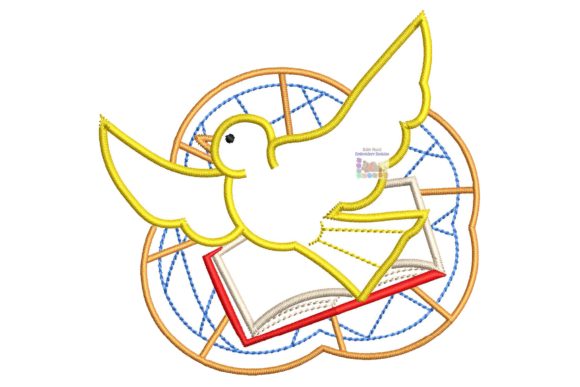
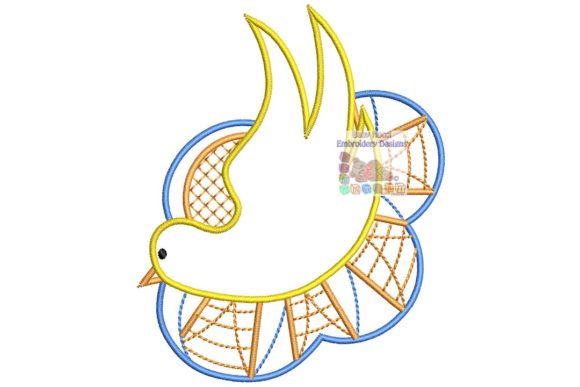
The first impression of Dove is one of gentle elegance. In Christian symbolism, the dove represents peace and the Holy Spirit, making it a perennial favorite for Baptism gifts and nursery decor. From a technical design perspective, this file appears to balance detail with stitch efficiency. A common issue with bird motifs is excessive density in the wing feathers, which can lead to puckering or stiff results on lightweight fabrics. However, Dove seems to utilize a smart combination of satin stitch outlines and optimized fill stitch areas. This balance is crucial for maintaining the soft drape required for baby blankets and christening gowns while still providing enough definition for bolder items like sweatshirts.
The visual mood is serene yet distinct. The lines are clean enough to read well from a distance, which is essential for apparel decoration where the viewer is not inspecting the item up close. For Etsy sellers and boutique owners, this clarity translates to better product photography. The design does not rely on overly complex shading that might get lost in digital mockups; instead, it uses solid forms that photograph crisply, helping to build buyer trust through accurate representation of the finished product.
Performance Across Apparel and Textiles
When planning to use Dove for custom apparel, specifically T-shirts and sweatshirts, fabric stability is paramount. Knit fabrics present unique challenges due to their stretch. If you are stitching this design onto a sweatshirt, I recommend using a cut-away stabilizer rather than tear-away to prevent distortion during the wash cycle. The design’s description suggests it works well on clothes, and my assessment confirms this, assuming proper stabilization techniques are employed. For T-shirts, consider scaling the design appropriately; a massive chest placement on a thin cotton tee can cause sagging, whereas a smaller left-chest placement maintains the garment's wearability.
Towels and textured fabrics require a different strategy. Terry cloth has a high pile that can swallow fine details. If applying Dove to kitchen towels or bath linens for a Baptism gift set, you must use a water-soluble topping. This keeps the stitches sitting on top of the loops rather than sinking into them. Without this step, even the most beautiful embroidery file will look muddy. The design’s likely use of running stitches for finer details means that skipping the topping could result in those delicate lines disappearing entirely against the towel texture.
Nursery Decor and Baby Items
For nursery decor, pillow covers, and baby blankets, comfort is non-negotiable. No parent wants a scratchy embroidery backing against their infant's skin. When testing Dove for these applications, pay close attention to the backside of the stitching. Because this design is intended for sensitive contexts, using a soft mesh cut-away stabilizer and trimming jump threads meticulously is vital. The aesthetic appeal here lies in softness; pastel thread colors paired with white or cream fabrics create a timeless look that sells consistently in the handmade market. Always perform a test stitch-out on scrap fabric identical to your final project to ensure the tension is balanced and no sharp thread tails remain exposed.
Commercial Viability for Sellers and Makers
For creative entrepreneurs and small business owners, time is money. A digital embroidery file that requires constant troubleshooting eats into profit margins. Dove appears to be digitized with production in mind, minimizing unnecessary trims and color changes. This efficiency is valuable when fulfilling bulk orders for church events or seasonal craft fairs. Furthermore, the licensing terms on Creative Fabrica generally allow for the sale of physical embroidered goods, but it is imperative that you verify the specific license details on the product page before listing any commercial embroidery items. Ensuring compliance protects your business and respects the original digitizer.
The versatility of Dove also aids in brand consistency. A shop specializing in faith-based gifts can use this single design across multiple SKUs—matching bibs, tote bags, and wall hangings—to create cohesive collections. This cross-product application increases the average order value. Additionally, because the design is visually simple yet meaningful, it serves as an excellent base for personalization. Adding a name or date below the dove transforms a standard stock design into a personalized gift, significantly increasing its perceived value to the customer.
Technical Considerations and Best Practices
While Dove is a robust design, success depends on the operator's diligence. Before committing to a full production run, adhere to these practical guidelines:
- Verify Hoop Size: Never assume the design fits your hoop without checking the dimensions in your software. Resizing can alter stitch density; enlarging may make satin stitches too loose, while shrinking can cause thread breaks.
- Test on Dark Fabrics: White or light-colored designs behave differently on dark backgrounds. You may need to add an underlay or adjust contrast to prevent the dark fabric from showing through the stitches.
- Check Small Details: If resizing Dove down for a cap or patch, inspect tiny elements like the eye or beak. These may need to be manually adjusted or removed if they become too small to stitch cleanly.
- Stabilizer Selection: Match your stabilizer to the fabric weight. Lightweight voile needs different support than heavy canvas tote bags. Using the wrong stabilizer is the most common cause of poor registration.
- Mockup Accuracy: When creating a printable mockup for listings, ensure the scale looks realistic. Overly large digital previews can lead to returns when customers receive the actual sized item.
Evaluating Value for Real-World Projects
Ultimately, the decision to incorporate Dove into your library should be based on its alignment with your current and future product roadmap. For those focusing on Baptism and religious milestones, this design is likely an essential asset. Its classic styling ensures it will not look dated next year, protecting your investment in design assets. For general apparel decorators, it offers a softer alternative to trendy graphics, appealing to a demographic seeking meaningful, quiet luxury.
I have found that designs with this level of symbolic weight often generate higher customer engagement because they tell a story. Whether you are stitching a memorial piece, a celebration of faith, or simply a nature-inspired accent, Dove provides a reliable foundation. Just remember that the quality of the handmade product relies as much on your preparation and finishing techniques as it does on the digitizing itself. By respecting the technical requirements of the file and testing thoroughly, you can confidently offer items featuring Dove that meet professional standards and delight your clientele.
Before purchasing, take a moment to review the file formats included to ensure compatibility with your specific machine brand. While most Creative Fabrica embroidery files are universally compatible, confirming this prevents frustration. With proper execution, Dove is more than just a digital file; it is a tool for creating lasting, tangible connections through the art of needlework.