Face of Jesus: A Designer’s Review for Craft Fairs
As I prepare my inventory for the upcoming weekend craft fair, my table display needs to strike a delicate balance between spiritual reverence and commercial appeal. When evaluating the Face of Jesus machine embroidery design for my booth, I am looking at more than just a religious symbol; I am assessing a potential bestseller that must communicate quality, faith, and artisanal value in seconds. For fellow Etsy sellers, boutique makers, and creative entrepreneurs, reviewing this design requires a critical eye toward production efficiency and customer perception. This is not merely about digitizing an image; it is about translating a sacred subject into a tangible handmade product that resonates with buyers seeking meaningful home decor or personal accessories.
First Impressions and Visual Weight
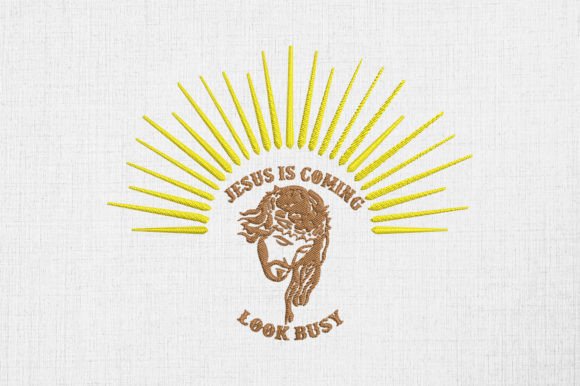
Upon loading the embroidery file into my software, the immediate impression of the Face of Jesus design dictates its market placement. Religious art in embroidery typically falls into two categories: bold and graphic, or soft and painterly. Based on the description suggesting use on towels, pillows, and home decor, this design likely leans toward an elegant, traditional aesthetic rather than a modern minimalist line drawing. For a craft fair booth, this visual weight is crucial. If the design features high stitch density and intricate shading, it reads as a premium item from ten feet away. Customers browsing quickly need to instantly recognize the subject matter without squinting. The face must be distinct, with clear definition in the eyes and expression, ensuring it does not look muddy when stitched out on textured fabrics. As a designer, I judge this first impression based on whether it evokes a sense of peace and craftsmanship simultaneously, setting the tone for the entire Religion Faith category on my table.
Strategic Product Placement for Market Sales
Determining where to stitch the Face of Jesus is the most significant decision for maximizing sales. Not every blank is suitable for religious imagery, and understanding the end-use is vital for inventory planning.
Tea Towels and Kitchen Textiles
The product description specifically highlights towels, and for good reason. Tea towel embroidery is a staple at handmade markets because it bridges the gap between utility and sentiment. However, terry cloth and linen present challenges. When stitching the Face of Jesus on kitchen towels, I must ensure the design has adequate underlay to prevent the fabric texture from poking through the stitches. A face design requires smooth satin columns or complex fill patterns to render skin tones and shadows accurately. If the stitch density is too light, the towel's weave will disrupt the image; if too heavy, the towel becomes stiff and unappealing to touch. For my booth, I would position these at eye level, folded to show the design clearly, as they serve as excellent entry-point purchases for customers new to my brand.
Pillows and Home Decor
Pillow covers offer a larger canvas, allowing the Face of Jesus to serve as a central focal point rather than a small accent. In a craft fair setting, embroidered pillows act as anchor items that draw people into the booth. Because pillows are often viewed from a distance or while seated, the design can accommodate more detail and thread colors without losing clarity. This application allows for higher price points, justifying the time spent on color changes and precise hooping. For digital sellers offering printable mockups, showcasing this design on a neutral linen pillow cover creates a versatile listing that appeals to both modern farmhouse and traditional decor buyers.
Tote Bags and Aprons
While tote bag designs and apron embroidery are popular, they require careful consideration when featuring religious iconography. An apron is a functional garment subject to stains and frequent washing; some customers may hesitate to use a depiction of Jesus in a messy kitchen environment. Conversely, a tote bag serves as a public declaration of faith. If I choose to produce tote bags with this design, I opt for natural cotton canvas which provides a stable base for detailed stitching. The contrast of dark thread on unbleached canvas often yields the most striking results for facial features, making the finished product highly photogenic for social media marketing and Etsy listings.
Production Realities and Technical Considerations
Before committing to batch production, I must address the practical aspects of running this machine embroidery design repeatedly. Efficiency equals profit in the commercial embroidery space, but never at the expense of quality.
- Stitch Density and Fabric Texture: Always test the design on scrap fabric identical to your final product. Facial details can easily get lost on thick terry cloth or fleece. You may need to add a water-soluble topping to create a smooth surface for the needle.
- Thread Colors and Contrast: Verify that your thread palette captures the intended mood. Skin tones and hair require subtle blending. Check thread contrast under both natural daylight and artificial booth lighting, as colors shift dramatically between environments.
- Hoop Size and Stabilizer: Confirm the hoop size accommodates the design with adequate margin. Using the correct stabilizer is non-negotiable for facial designs; distortion in the eye or mouth area renders the product unsellable. Use cut-away stabilizer for stretchy fabrics and tear-away for stable wovens.
- Small Details and Lettering: If the design includes accompanying scripture or tiny details, ensure they remain legible at the intended size. Small lettering often requires specialized fonts or simplification to prevent thread breaks and bird nesting during production.
Evaluating Commercial Viability and Brand Fit
For small shop products and commercial embroidery businesses, repeatability is key. Does the Face of Jesus design run consistently across different machines and materials? A design that requires constant tension adjustments or thread trims slows down production and eats into margins. I evaluate this by running three consecutive tests on different blanks. If the registration holds perfectly each time, it is a viable candidate for bulk pre-show preparation.
Furthermore, consider how this design assets align with your overall brand. If your booth specializes in rustic, vintage-style goods, ensure the artistic rendering of the face matches that aesthetic. A hyper-realistic portrait might clash with burlap and mason jar displays, whereas a stylized or woodcut-inspired version would integrate seamlessly. Consistency builds trust with repeat customers who return to your table expecting a specific style of handmade product.
Essential Pre-Production Checklist for Sellers
Before listing this item online or placing it on your craft fair table, complete this verification process to protect your reputation and ensure customer satisfaction:
- Verify Licensing: Since the product description mentions multiple embroidery formats but does not explicitly state commercial licensing terms for finished products, you must confirm this before selling. Never assume a digital embroidery file permits commercial sale of physical items without checking the designer's specific policy.
- Create Real Mockups: Do not rely solely on software simulations. Stitch out at least one real sample to photograph. Customers need to see actual thread sheen and fabric interaction to trust the quality of an Etsy listing.
- Check File Compatibility: Ensure the embroidery file format matches your machine. While the description notes multiple formats, always verify integrity after conversion, as resizing or converting can sometimes alter stitch paths in complex facial designs.
- Assess Washability: For items like tea towels and aprons, wash and dry your test sample. Facial designs with high stitch counts can pucker or distort after laundering if not stabilized correctly. Selling a product that ruins after one wash destroys customer trust.
Ultimately, the Face of Jesus design offers profound potential for craft fair sellers and embroidery business owners who approach it with intention. By respecting the technical demands of stitching facial features and understanding the emotional connection buyers have with religious art, you can transform a digital file into a cherished heirloom. Whether displayed on a linen pillow or carried in a canvas tote, success lies in the intersection of faithful representation and professional execution. Take the time to test, refine, and present this design with the dignity it deserves, and it will undoubtedly become a cornerstone of your handmade market collection.