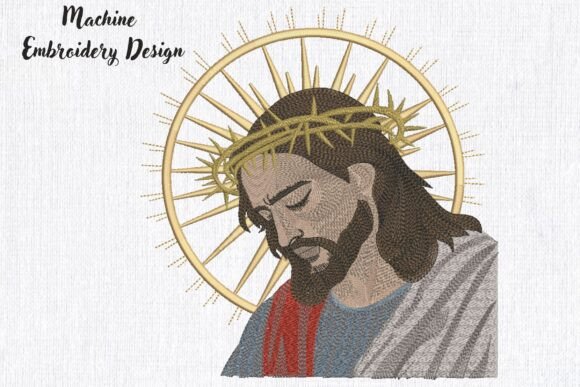
Jesus Christ for Churches: Embroidery Design Review
First Impressions: Visual Weight and Professional Tone
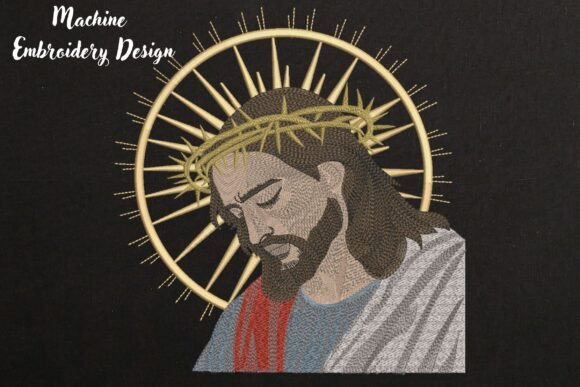
As an embroidery designer evaluating assets for commercial production, my first assessment of Jesus Christ for Churches focuses on its visual hierarchy and stitch architecture. This machine embroidery design features a high level of detail, specifically the crown of thorns and radiating divine light. From a business perspective, this complexity signals a premium aesthetic rather than a casual or playful vibe. For small business merch or church branding, the design communicates reverence and tradition immediately.
The radiating light element is particularly significant for digitizing quality. In digital embroidery files, radial effects can sometimes cause puckering if not properly underlaid. However, when executed correctly as described, this feature adds necessary dimension to the finished product. For apparel decorators and Etsy sellers, this design reads as elegant and classic. It avoids the flat, cartoonish look that often plagues religious clipart converted to stitches, making it suitable for serious brand identity work within the Religion Faith category.
Commercial Viability for Merchandise and Branding
When integrating Jesus Christ for Churches into a product line, versatility is key. This design performs exceptionally well across several commercial embroidery applications:
- Embroidered Patches: The defined outline of the figure and crown makes this ideal for merrowed edge patches. These can be applied to denim jackets, vest backs, or sold as standalone devotional items.
- Staff Uniforms and Aprons: For Christian bookstores, cafes, or ministry staff, this design serves as a respectful chest logo or sleeve accent. It maintains professionalism while clearly stating organizational values.
- Tote Bag Design: Canvas totes provide a stable, flat surface perfect for capturing the intricate details of the thorns and light rays without distortion.
- Boutique Merchandise: Handmade product creators can use this on prayer shawls or linens where the texture of the embroidery enhances the tactile experience of the item.
For small business owners, using such a specific and detailed design asset helps establish immediate recognition. Unlike generic text logos, this imagery creates an emotional connection with the customer, reinforcing trust and shared values through custom apparel.
Optimizing for Caps and Curved Surfaces
Cap embroidery presents unique challenges for detailed religious art. While Jesus Christ for Churches is visually striking, the radiating light and crown details require careful placement on curved surfaces. If you are producing caps for event merch or staff uniforms, ensure the design center aligns perfectly with the cap front panel seam. You may need to slightly reduce the size or simplify outer ray elements to prevent registration issues on the curve. Always test on a scrap cap before running full production batches.
Technical Considerations: Density, Fabric, and Stabilizer
A beautiful digital embroidery file can fail during production if technical parameters are ignored. Based on the description of detailed thorns and light, here are critical production notes:
Managing Stitch Density and Fabric Texture
Detailed designs like this often carry higher stitch density. When embroidering on textured fabric like linen or pique knit polos, the texture can compete with the design details. I recommend using a smooth, tightly woven fabric for the best reproduction of the crown of thorns. If you must use textured material, increase your stabilizer weight significantly. A cutaway stabilizer is generally superior to tear-away for this type of intricate artwork to prevent the fabric from pulling and distorting the divine light rays.
Thread Colors and Contrast
The "radiating divine light" description suggests metallic or high-sheen polyester threads. For commercial embroidery projects intended for frequent washing, verify that your chosen thread colors are colorfast. Metallic threads add premium value but can be abrasive; ensure your needle size is appropriate (typically a 75/11 metallic needle) to prevent breakage and fraying. High contrast between the figure and the background fabric is essential for legibility at smaller sizes. Test thread color combinations in natural and artificial lighting before finalizing your palette.
Strategic Placement and Sizing Limitations
Not every application suits every design. As a professional reviewer, I advise caution in these scenarios:
- Small Patch Sizes: Below 2.5 inches, the thorns and facial details may merge into indistinguishable blobs. Check the minimum recommended size in your embroidery file metadata.
- Dark Uniforms: If stitching on black or navy, ensure the design includes adequate white or gold underlay to make the colors pop. Without this, the design will disappear against dark fabric.
- Frequent Washing Items: For aprons or work shirts subjected to industrial laundering, consider adding a protective backing or using heavier weight threads to withstand abrasion.
Understanding these limitations protects your brand reputation. Delivering a crisp, clear embroidered patch builds customer confidence, while a muddy, poorly sized design undermines perceived quality.
Enhancing Brand Identity Through Quality Execution
For handmade brands and creative studios, Jesus Christ for Churches is more than decoration; it is a statement of craftsmanship. When customers see precise stitching and thoughtful placement, they associate that care with your entire business. This design supports a premium positioning strategy. Whether used on printable mockups for pre-sales or as a finished product tag accent, consistency in execution reinforces visual identity.
Buyer engagement increases when merchandise feels intentional. A tote bag design featuring this artwork tells a story of faith and quality. It transforms a utilitarian object into a meaningful keepsake. For Etsy sellers, highlighting the stitch quality and material choices in your listing photos can justify higher price points and differentiate your shop from mass-produced alternatives.
Essential Pre-Production Checklist for Business Owners
Before committing Jesus Christ for Churches to inventory, complete this professional verification process:
- Verify Commercial Licensing: Confirm the digital embroidery file includes rights for selling finished products. Never assume personal-use licenses cover business merch.
- Run a Black and White Test: Print the design outline or stitch it in single-color draft mode to check spacing and proportions without wasting expensive thread.
- Confirm Hoop Size Compatibility: Ensure your machine’s hoop accommodates the design dimensions with adequate margin for stabilization.
- Create Client Mockups: Use software to generate a printable mockup showing the design on actual garments for client approval before stitching.
- Test on Real Fabric: Never skip sampling. Stitch on the exact fabric and stabilizer combination planned for production to check for puckering or registration errors.
- Compare Beside Other Assets: Ensure this design harmonizes with existing logos or typography in your brand kit for visual consistency.
By treating Jesus Christ for Churches as a professional design asset rather than just a religious image, you elevate your merchandise from simple craft to branded commodity. Attention to stabilizer choice, fabric compatibility, and licensing ensures your small business merch meets both spiritual significance and commercial standards. Always review the specific file details provided by the digitizer regarding stitch count and format compatibility, as these variables directly impact your production efficiency and final product quality.