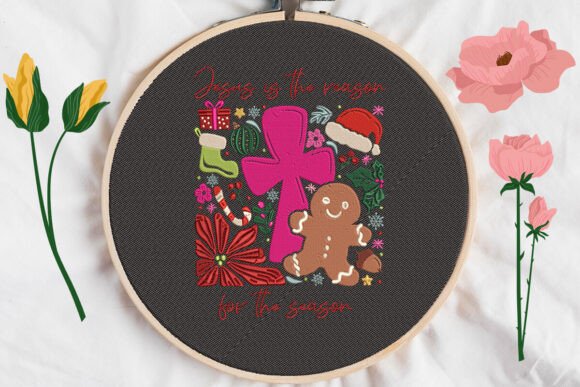
Jesus is the Reason: A Designer’s Review
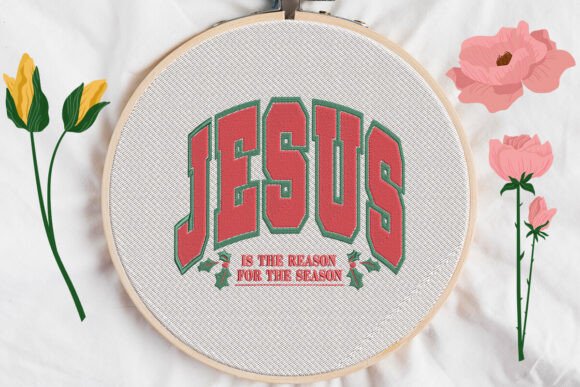
As an embroidery designer preparing inventory for the upcoming holiday rush, I am constantly evaluating which designs will translate best from a digital screen to a tangible, cherished gift. When reviewing the Jesus is the Reason machine embroidery design, my primary focus is not just on the aesthetic appeal, but on how it performs as a personalized gift in a real-world shop environment. This design promises to give fabrics a stylish update with vibrant and imaginative flair, but before I add it to my production queue for t-shirts, towels, or home decor, I need to know if it holds up under the needle and in the hands of customers.
First Impressions: Mood and Emotional Resonance
Upon loading the embroidery file into my software, the immediate impression of Jesus is the Reason is one of warmth and intentionality. For Christmas collections, there is often a saturation of generic graphics, but this design leans into a classic, heartfelt narrative that resonates deeply with specific demographics. The mood strikes a balance between festive and reverent, making it versatile enough for both joyful nursery items and solemn family keepsakes. As a handmade product creator, I look for designs that evoke emotion rather than just decoration. This piece feels sweet yet elegant, avoiding overly cartoonish elements while maintaining a playful charm that appeals to modern Christian families. It suggests a level of thoughtfulness that mass-produced goods simply cannot replicate, which is essential for building customer trust and perceived value.
Real-World Application: From Digital File to Finished Product
To truly test this design, I envision a specific client scenario: a grandmother requesting a meaningful baby embroidery project for her new grandchild’s first Christmas. She wants something that can be used now as a nursery accent and later kept as a wedding gift or heirloom. Jesus is the Reason fits this brief exceptionally well because of its adaptability.
For baby blankets and nursery decor, the design offers a soft, inviting focal point. When stitched on minky or cotton flannel, the texture adds a tactile dimension that enhances the emotional connection. However, this design is not limited to infant wear. I can easily see it transitioning to embroidered towel sets for kitchen gifts or custom tote bags for church events. For Etsy sellers and small shop products, this versatility is key. You can create a cohesive collection where the same design appears on an apron, a pillow cover, and a blanket, encouraging bundle purchases. The "vibrant and imaginative flair" mentioned in the product description translates well to photography; the design has enough visual interest to stop the scroll on social media feeds, driving buyer engagement through beautiful, relatable lifestyle mockups.
Navigating Fabric Textures and Technical Challenges
While the artistic merit is high, practical application requires careful consideration of fabric texture and stitch density. As experienced embroiderers know, a design that looks perfect on screen can struggle on challenging materials. When planning to use Jesus is the Reason on thick terry cloth towels or plush blankets, you must account for pile push-through. The intricate details that give the design its charm could get lost in the nap of a high-loft fabric without proper preparation.
I would advise caution when applying this to stretchy baby clothes or ribbed knits. The stability of the garment is paramount; if the fabric stretches during stitching, the registration will fail, and the lettering may become illegible. Similarly, dark fabrics present a contrast challenge. If the design relies on subtle shading or light-colored fills, it may vanish against navy or forest green backgrounds unless you adjust thread colors or add an underlay base. Always compare light and dark fabric mockups before listing a finished product to ensure readability and visual pop.
Furthermore, consider the washability of the item. If this is intended for a bib or a frequently washed toddler shirt, verify that the stitch type can withstand agitation. Satin stitches may snag, whereas fill stitches generally hold up better over time. For items like wedding keepsakes or decorative pillow covers that see less wear, you have more freedom to utilize delicate details and higher stitch counts for a luxurious finish.
Essential Production Notes for Shop Owners
Before listing Jesus is the Reason in your shop or starting a custom order, adhere to these professional best practices to ensure quality and compliance:
- Test on Scrap Fabric: Never stitch directly onto a final product without a test run. Use a scrap of the exact material and stabilizer combination you plan to sell to check for puckering, registration issues, or thread breaks.
- Verify Hoop Size and Dimensions: The product description does not specify exact dimensions. You must open the digital embroidery file to confirm the hoop size required. Ensure the design fits comfortably within your machine’s maximum embroidery area with adequate margin for hooping.
- Check Stabilizer Requirements: Match your stabilizer to the fabric weight. A tear-away might suffice for quilting cotton, but a cut-away or water-soluble topping is likely necessary for towels, fleece, or stretchy knits to maintain the integrity of the design.
- Review Thread Color Contrast: Do not assume the digitizer’s color palette works for every substrate. Test thread colors against your specific blank goods. Sometimes changing a white fill to cream or ecru creates a softer, more vintage look appropriate for baby embroidery.
- Confirm Commercial Licensing: This is critical for Etsy sellers and business owners. The provided description mentions embellishing fabrics but does not explicitly state licensing terms for selling finished products or digital files. Always check the original source or license agreement to confirm you have the right to sell items made with this design commercially.
- Inspect Small Details Post-Stitch: After your test run, examine small lettering and fine lines closely. If details are merging or disappearing, you may need to edit the file to increase spacing or simplify elements for smaller sizes.
Elevating Perceived Value Through Presentation
The success of Jesus is the Reason as a commercial offering depends heavily on how it is presented. Customers buying personalized gifts are purchasing a feeling, not just thread on fabric. When photographing your samples, style them in context. Drape the embroidered towel over a rustic wooden chair, or place the pillow cover in a sunlit nursery. These images communicate the "handmade quality" and care that defines our industry.
For digital product sellers offering the embroidery file itself, provide clear, accurate previews showing the design on multiple fabric types. Include notes on recommended stabilizers and difficulty levels in your listing description. This transparency reduces customer support inquiries and builds authority. Whether you are creating a custom embroidery piece for a local client or scaling up for holiday craft fairs, treating this design with technical respect and creative intention will maximize its potential. By validating the stitch quality, respecting fabric limitations, and presenting the final product with emotional intelligence, Jesus is the Reason becomes more than just a seasonal graphic; it becomes a staple in your portfolio of meaningful, high-value handmade goods.