LDS Portland Oregon Temple Embroidery Review
As an embroidery designer constantly scouting for meaningful additions to boutique apparel collections, finding digital assets that balance architectural precision with wearable aesthetics is a specific challenge. When browsing Creative Fabrica embroidery listings for faith-based merchandise, the LDS Portland Oregon Temple Embroidery design immediately stood out as a candidate for a seasonal capsule collection. This review examines the design through the lens of a professional decorator planning actual production runs on sweatshirts, hoodies, and lifestyle accessories, focusing on how this machine embroidery design translates from screen to fabric.
Visual Personality and Stitching Mood
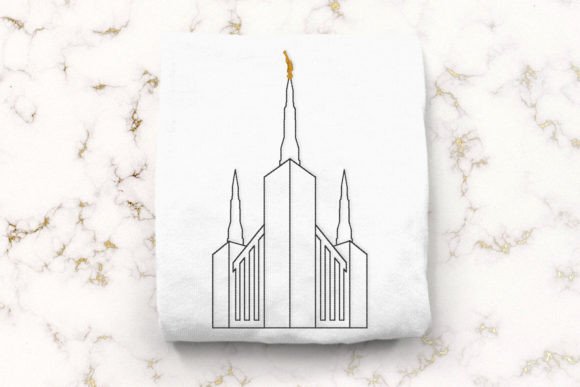
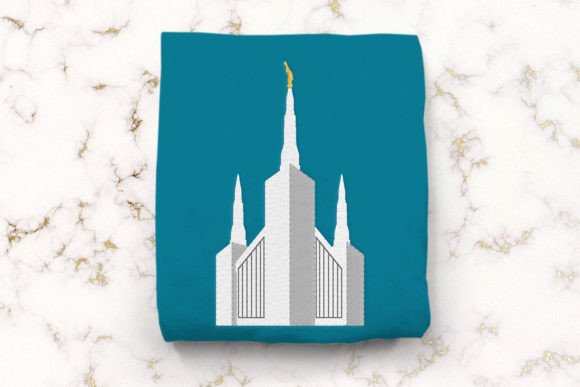
The first impression of the LDS Portland Oregon Temple Embroidery file is one of serene reverence mixed with Pacific Northwest charm. Unlike generic religious clip art, this design captures the distinct spire and forested setting unique to the Portland temple. For a boutique brand, this specificity matters. The visual mood leans toward classic and peaceful rather than overly ornate or bold, making it suitable for customers seeking subtle faith expression in their daily wardrobe.
From a technical design perspective, the artwork appears optimized for clarity at medium sizes. The lines suggest a balance between fill stitches for the structure and satin or running stitches for the surrounding foliage. This level of detail is crucial when creating custom apparel; too much density makes a garment stiff, while too little loses the architectural integrity. As a Religion Faith category item, it avoids being kitschy, maintaining a premium feel that aligns with high-quality handmade product standards. It feels like a design intended for someone who values both their faith and thoughtful fashion.
Application Strategy for Sweatshirts and Hoodies
When planning a small shop product line, versatility is key. This embroidery file shows strong potential across various garment types commonly sold by Etsy sellers and creative entrepreneurs.
- Crewneck Sweatshirts: A center-chest placement on a neutral oatmeal or sage green sweatshirt allows the temple details to pop without overwhelming the wearer. The design’s scale likely works best as a 4x4 or 5x7 motif, providing enough presence to be recognized but remaining comfortable against the chest.
- Hoodie Design: For oversized hoodies, consider placing the LDS Portland Oregon Temple Embroidery slightly higher on the left chest. This positioning ensures visibility even when the kangaroo pocket bunches the fabric. Alternatively, a larger back placement could serve as a statement piece for church retreats or youth group merchandise.
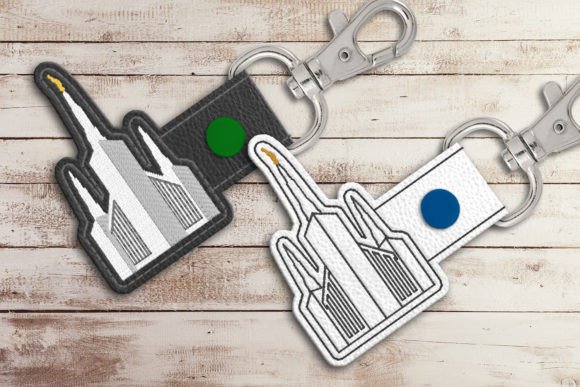
- Tote Bags and Accessories: Canvas tote bags offer a stable, non-stretchy surface ideal for intricate architectural embroidery. This application transforms the digital embroidery file into a functional lifestyle accessory that complements the apparel line.
- Denim Jackets: The contrast of white or gold thread colors against indigo denim creates a timeless aesthetic. Denim provides excellent stability for detailed stitching, reducing the risk of registration issues common with stretchier knits.
Navigating Fabric Texture and Stabilizer Choices
Experienced embroiderers know that a beautiful digital file can fail if not paired with the correct stabilizer and fabric texture. When working with the LDS Portland Oregon Temple Embroidery on knit garments like fleece or French terry, preparation is non-negotiable.
Fleece and ribbed fabrics are notorious for causing stitch distortion. Because temple architecture relies on straight vertical lines and precise angles, any fabric shift will be immediately visible. I recommend using a cut-away stabilizer for all sweatshirt embroidery projects involving this design. A tear-away may not provide sufficient long-term support for the weight of the stitches, leading to puckering after washing. For darker garments where you might want to avoid white stabilizer show-through, consider a black cut-away or no-show mesh.
Always test on scrap fabric before committing to a finished product. Check the stitch density in your software or machine preview. If the design feels excessively dense for a lightweight t-shirt, it may be better suited for heavier outerwear. Conversely, if the details look sparse on a thick hoodie, you may need to adjust the underlay settings to prevent the fabric texture from swallowing the design. Confirming these variables ensures your commercial embroidery output meets professional quality standards.
Elevating Brand Identity and Buyer Trust
For Etsy sellers and small clothing brands, product recognition drives repeat business. Using specific, recognizable landmarks like the Portland Oregon Temple helps niche down your audience. Customers searching for local faith-based apparel are often looking for connection, not just decoration. Offering a design that reflects their specific community builds immediate buyer trust.
Furthermore, the presentation of this LDS Portland Oregon Temple Embroidery impacts perceived value. High-resolution photos of the actual stitched product, rather than just digital mockups, demonstrate confidence in your craftsmanship. Show the design on a model wearing a pastel hoodie to highlight its feminine and soft appeal, or on a flat lay with natural lighting to emphasize the rustic, nature-integrated architecture. Consistent visual storytelling across social media graphics and printable mockup listings reinforces your identity as a thoughtful boutique brand rather than a generic print-on-demand shop.
Critical Considerations Before Production
While this design holds immense promise for apparel decorators, there are practical constraints to respect. Always verify the hoop size requirements listed in the Creative Fabrica product details before purchasing. Assuming a design fits a standard 4x4 hoop when it actually requires a 5x7 can halt production mid-project.
Additionally, confirm the licensing terms specifically for commercial embroidery. While many files allow for selling physical finished products, some restrict mass production or digital redistribution. Understanding these boundaries protects your small shop product line from legal issues.
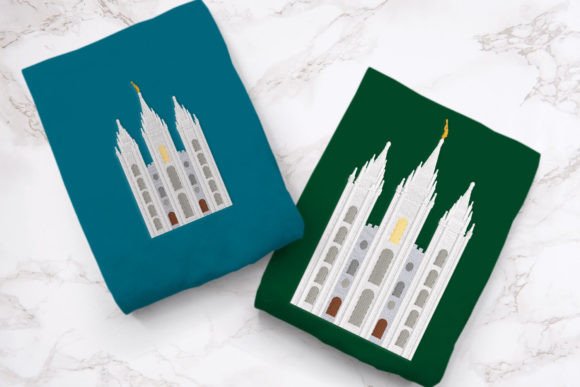
Be mindful of placement on curved surfaces. The structured nature of temple architecture does not forgive warping. Avoid placing this design over seams, pockets, or areas of high tension like sleeve cuffs unless you have advanced hooping techniques. Flat, stable areas yield the best results. Finally, review thread color contrast carefully. White thread on white fabric may require a tonal variegated thread to make the architectural details visible, whereas dark garments provide natural contrast that simplifies color selection.
Final Thoughts for Apparel Decorators
The LDS Portland Oregon Temple Embroidery represents a valuable asset for creators in the Religion Faith niche. Its blend of spiritual significance and regional specificity offers a unique angle for boutique apparel collections. By approaching this machine embroidery design with professional testing protocols, appropriate stabilizer choices, and strategic placement planning, decorators can produce garments that resonate deeply with their target audience.
Whether you are expanding your Etsy listings with cozy seasonal outfits or creating custom apparel for a local congregation, this design provides a solid foundation. Remember to treat every digital embroidery file as a starting point that requires your technical expertise to reach its full potential. With careful execution, this temple design can become a signature piece in your handmade product lineup, bridging the gap between faith, fashion, and professional craftsmanship.