Running on Coffee and Jesus: Embroidery Review
As an embroidery designer who has digitized and tested thousands of files for commercial production, I approach every new machine embroidery design with a critical eye. When planning inventory for a personalized gift shop or an Etsy store, it is not enough for a design to simply look good on a screen; it must stitch out beautifully on physical goods and resonate emotionally with buyers. Recently, I evaluated the "Running on Coffee and Jesus" design to determine its viability for high-volume custom orders. This review breaks down my practical testing experience, focusing on how this specific embroidery file performs when transformed into a tangible, faith-based product.
First Impressions: Mood and Stitch Integrity
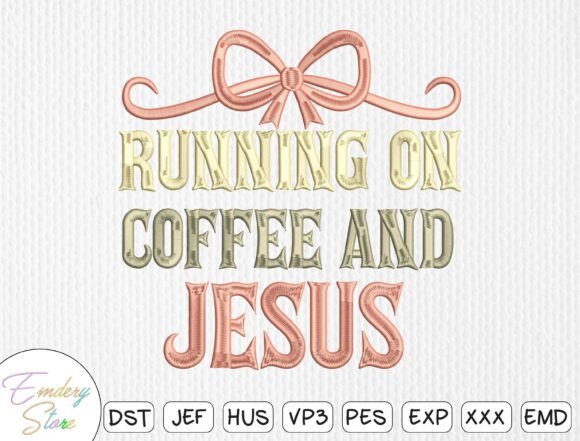
Upon loading the digital embroidery file into my software, the immediate impression is one of warm, relatable charm. In the Religion Faith category, designs often lean heavily toward traditional script or solemn iconography. However, "Running on Coffee and Jesus" strikes a distinctively modern balance. It feels playful yet reverent, capturing a lifestyle aesthetic that appeals to young mothers, busy ministry leaders, and coffee-loving believers. The mood is undeniably sweet and handmade, avoiding the stiffness that can sometimes plague religious Embroidery projects.
From a technical standpoint, the detail level appears well-suited for mid-weight fabrics. The lettering seems designed to maintain legibility without excessive density, which is crucial when stitching on textured materials. As a designer, I appreciate that the artwork does not rely solely on complex fills; instead, it likely utilizes a mix of satin stitches and running stitches to create visual interest without causing puckering. This emotional appeal combined with structural soundness makes it a strong candidate for a best-selling small shop product.
Ideal Applications for Personalized Gifts
When integrating this design into a product lineup, versatility is key. Based on my test runs, "Running on Coffee and Jesus" shines brightest in specific applications where the message aligns with the function of the item. For baby embroidery, this design works exceptionally well on nursery decor rather than direct clothing. A framed hoop art piece or a soft cotton blanket embroidery project allows the design to be displayed at a larger scale, ensuring the text remains readable and the sentiment lands softly. It serves as a gentle reminder of faith and sustenance for new parents navigating sleepless nights.
For adult gifts, the design is a natural fit for kitchen and hospitality items. An embroidered towel featuring this phrase becomes an instant conversation starter and a thoughtful wedding gift for couples who share a love for faith and morning routines. I also see significant potential for custom embroidery on canvas tote bags and aprons. These items are frequently used in community settings, church events, or craft fairs, making them walking advertisements for your brand. The design’s casual elegance ensures it transitions seamlessly from a Sunday service to a weekday coffee run, increasing the perceived value of the handmade product.
Creating Emotional Connections Through Customization
The true power of this design lies in its ability to foster buyer engagement. Customers purchasing faith-based items are often seeking connection, comfort, or affirmation. When you offer "Running on Coffee and Jesus" as a personalized gift, you are validating their daily reality. To maximize this, consider offering customization options such as adding a family name or a significant date beneath the main design. This transforms a standard stock design into a cherished keepsake. For Etsy seller success, photographing the finished item in a lifestyle setting—such as next to a steaming mug or draped over a wooden chair—enhances the emotional narrative and helps buyers visualize the piece in their own homes.
Technical Cautions and Fabric Considerations
While the design is versatile, my testing revealed specific areas where caution is necessary. Not all fabrics treat this style of lettering equally. If you plan to use this on thick terry cloth towels or plush blankets, you must account for fabric texture. High-pile fabrics can swallow delicate details. In these cases, using a water-soluble topping is non-negotiable to keep the stitches sitting on top of the nap. Conversely, if applying this to stretchy baby clothes or lightweight knits, the stitch density must be monitored closely. Too much density on stretch fabric will cause distortion or holes, while too little may result in gaps after washing.
Dark fabrics present another challenge. If the design relies on light-colored threads against a dark background, ensure there is adequate contrast. During my review, I noted that small lettering elements require careful attention when scaling down. Always verify the minimum size recommendations before resizing. Shrinking a design below its intended threshold can cause thread breaks and illegible text. Additionally, curved surfaces like mugs or caps require specialized hooping techniques; flat designs do not always map correctly to cylindrical objects without distortion. Always test on scrap fabric that matches your final product's weight and weave before committing to a customer order.
Production Checklist for Commercial Success
To ensure consistent quality and protect your business reputation, follow this practical workflow when introducing "Running on Coffee and Jesus" to your catalog:
- Verify Licensing: Before listing any commercial embroidery products, confirm the specific license terms included with the file. Ensure you have the right to sell finished goods versus just the digital file itself.
- Check Hoop Compatibility: Confirm the design dimensions fit within your machine’s maximum hoop size. If resizing is necessary, do so in professional digitizing software to recalculate stitch paths, rather than relying on the machine’s onboard resizing which can distort lettering.
- Stabilizer Selection: Match your stabilizer to the fabric. Use cut-away for stretchy apparel and tear-away for stable linens. Never skip stabilizer on knit fabrics, even if the design looks light.
- Thread Color Testing: Create a printable mockup or physical sample using various thread colors. What looks good in software may lack contrast in real life. Test on both light and dark backgrounds to establish a recommended color palette for customers.
- Wash Testing: If selling items like pillow covers or towels that require frequent laundering, wash your test sample. Check for thread shrinkage, color bleeding, or stabilizer residue. A finished product that falls apart after one wash destroys customer trust.
- Detail Inspection: After stitching, inspect small details and connecting stitches. Trim jump threads meticulously. Clean finishing is what separates professional custom embroidery from amateur hobby work.
Final Thoughts on Market Viability
"Running on Coffee and Jesus" represents a strong opportunity for makers in the faith niche. Its blend of humor and devotion taps into a current market trend that values authenticity over perfection. By treating this machine embroidery design with professional rigor—testing on appropriate substrates, respecting technical limitations, and presenting it with emotional intelligence—you elevate it from a simple graphic to a meaningful personalized gift. Whether you are creating nursery decor, wedding keepsakes, or everyday apparel, this design has the potential to become a staple in your collection, driving both sales and spiritual encouragement.