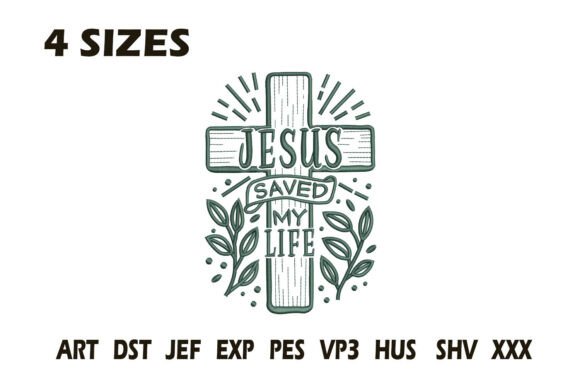
Jesus Saved My Life Embroidery Design Review
As a professional embroidery designer specializing in commercial applications, I approach every new machine embroidery design with a critical eye toward production viability and brand alignment. When evaluating the Jesus Saved My Life Embroidery Design, my primary focus is not just on the spiritual sentiment, but on how this asset performs as a tangible product for small businesses, faith-based boutiques, and ministry merchandise lines. The description promises a "playful" and "whimsical" touch, which immediately signals a departure from traditional, rigid religious typography. For shop owners and Etsy sellers, this stylistic choice opens doors to a younger demographic and lifestyle-focused branding that feels accessible rather than austere.
Visual Personality and Brand Identity Alignment
The first impression of the Jesus Saved My Life Embroidery Design suggests a modern, hand-lettered aesthetic that bridges the gap between reverence and approachability. In the context of brand identity, this is crucial. Many faith-based businesses struggle to create merchandise that customers actually want to wear or display in daily life. A design that is too formal often ends up stored away, whereas a whimsical, charming design integrates seamlessly into everyday wardrobes and home decor.
For a creative studio or handmade shop owner, this design functions as more than just a religious statement; it acts as a conversation starter. The playful nature implies a personal testimony shared with joy rather than dogma. When used on small business merch, this emotional connection translates directly to buyer engagement. Customers are not just purchasing an item; they are buying into a feeling of warmth and authentic faith. This visual personality enhances the perceived value of custom apparel and accessories, making them feel like boutique exclusives rather than generic mass-produced goods.
Commercial Applications for Small Business Merch
In my experience outfitting various enterprises, versatility is key. The Jesus Saved My Life Embroidery Design shows strong potential across multiple commercial categories due to its described charm. Here is how I envision this digital embroidery file performing in real-world scenarios:
- Boutique Apparel: The whimsical style is ideal for left-chest placements on t-shirts and sweatshirts. It works exceptionally well for faith-based clothing brands targeting women and youth who prefer soft, aesthetic graphics over bold block text.
- Ministry Staff Uniforms: For coffee shops or bookstores operated by churches, this design serves as a friendly staff identifier. Stitched on an apron pocket or sleeve, it communicates a welcoming atmosphere to patrons.
- Tote Bag Design: Canvas totes are a staple for markets and conferences. The playful lettering contrasts beautifully against natural cotton canvas, creating a high-impact finished product that serves as walking advertising for your ministry or shop.
- Home Decor Inventory: Beyond apparel, this design is perfect for tea towels, throw pillows, and nursery blankets. These items have higher profit margins and appeal to customers looking for meaningful gifts.
- Event Merchandise: For retreats, conferences, or charity fundraisers, this design offers a cohesive theme that feels celebratory. It can be easily adapted for caps, beanies, or wristbands.
Production Considerations and Technical Constraints
While the aesthetic is appealing, technical execution determines profitability. As an experienced digitizer, I must highlight where caution is required when using the Jesus Saved My Life Embroidery Design. Whimsical fonts often feature variable line weights and intricate details that can be problematic at small scales.
Stitch Density and Fabric Texture
Playful designs sometimes utilize lighter stitch density to maintain a soft drape, which is excellent for knits but risky for structured items. If you are planning cap embroidery, verify that the design has adequate underlay to prevent sinking into the cap's curved, textured surface. Similarly, for apron embroidery on heavy twill or denim, ensure the top stitches are dense enough to cover the fabric weave completely. If the design is too light, the fabric texture will show through, diminishing the professional quality of the merchandise.
Sizing and Legibility
The most common failure point in commercial embroidery is resizing without adjustment. Before committing this design to a 2-inch patch or a sleeve cuff, you must test the minimum legible size. Whimsical serifs and loops can merge into thread blobs when reduced too aggressively. Always check the recommended hoop size and minimum dimensions provided with the embroidery file. If you intend to use this for tiny labels or tags, request a specific small-format version from the digitizer to ensure clarity.
Designer Notes for Successful Implementation
To maximize the ROI on this design asset, follow these practical protocols before running full production batches:
- Create a Printable Mockup: Before stitching, place the digital image on photos of your actual blank products. This helps visualize scale and placement relative to seams and pockets. Share this printable mockup with clients or stakeholders for approval to avoid costly rework.
- Test Thread Colors: "Whimsical" often implies multi-color or variegated threads. Run a sew-out on the exact fabric you plan to sell. Check contrast ratios; pastel threads on white fabric may look elegant on screen but disappear in store lighting. High contrast ensures readability and visual pop.
- Evaluate Stabilizer Needs: Match your backing to the end-use. Use cut-away stabilizer for stretchy t-shirts to prevent puckering around the playful lettering. Use tear-away for stable woven fabrics like tote bags. Proper stabilization is non-negotiable for a premium handmade product finish.
- Verify Commercial Licensing: Never assume usage rights. Confirm that your purchase includes a license for selling physical embroidered goods. Some licenses restrict mass production or require attribution. Protect your business by clarifying these terms upfront.
- Compare Beside Other Assets: Ensure this design harmonizes with your existing logo and branding elements. Place a sample stitch-out next to your current merchandise. Does the playful tone clash with your established corporate identity, or does it complement it? Visual consistency builds trust.
Enhancing Customer Trust and Product Value
Ultimately, the decision to use the Jesus Saved My Life Embroidery Design should be driven by its ability to strengthen your relationship with your audience. In the Religion Faith category, authenticity is paramount. A poorly executed embroidery job undermines the message, while a crisp, well-digitized application reinforces it. When customers see clean satin columns, proper registration, and thoughtful color choices, they perceive the entire brand as trustworthy and professional.
This design’s inherent charm allows small businesses to soften their commercial edge. It transforms standard inventory into meaningful artifacts. Whether you are a florist adding faith-based gift options, a bakery creating branded aprons for a church partnership, or an Etsy seller expanding your niche, this design offers a unique blend of spiritual significance and marketable aesthetics. By respecting the technical requirements of Embroidery and leveraging the design's playful character strategically, you can create merchandise that resonates deeply with buyers and stands the test of both wear and washing.
Remember to always review the specific technical specifications included with your file download. Stitch counts, format compatibility, and exact dimensions vary between digitizers. Treat the Jesus Saved My Life Embroidery Design as a foundational element of your product development process, testing rigorously to ensure that the final stitched result honors both the craftsmanship of your business and the integrity of the message it carries.